
Introduction
When your washing machine won’t drain, water remains in the tub, preventing the spin cycle and leaving clothes soaking wet. This frustrating problem can have several causes, from simple clogs to complex pump failures.
Understanding why your washer won’t drain helps you determine whether it’s a quick fix you can handle yourself or requires professional washer repair services. This guide covers the most common causes, troubleshooting steps, and solutions.
Common Causes: Why Your Washer Won’t Drain
1. Clogged Drain Hose (Most Common)
The drain hose carries water from the washer to your home’s drain system. It’s the most common cause of drainage problems.
Why It Clogs:
- Lint and debris accumulation
- Socks or small items caught in hose
- Kinks or bends restricting flow
- Mineral buildup over time
Symptoms:
- Water won’t drain from washer
- Slow drainage
- Water backing up
- May see water around washer
Solution:
- Check hose for kinks or bends
- Remove and clean the hose
- Clear any blockages
- Ensure proper height and routing
- Replace if damaged
2. Faulty Drain Pump
The drain pump removes water from the washer. It can fail mechanically or become blocked.
Why It Fails:
- Blocked by small items or clothing
- Broken impeller
- Motor failure
- Electrical problems
- Age and wear
Symptoms:
- Water won’t drain
- Pump not running
- Unusual sounds from pump
- Error codes related to drainage
Solution:
- Check pump for blockages
- Remove any foreign objects
- Test pump operation
- Replace if faulty
- Professional service recommended
3. Blocked Drain Pump Filter (Front-Loading Washers)
Front-loading washers have a filter that can become clogged with lint, coins, hair, or other debris.
Why It Clogs:
- Lint accumulation
- Foreign objects (coins, buttons)
- Hair and debris
- Not cleaned regularly
Symptoms:
- Water won’t drain
- Slow drainage
- Filter area may be accessible
- Related to front-loading washers
Solution:
- Locate and remove filter
- Clean thoroughly
- Remove all debris
- Replace filter if damaged
- Clean regularly to prevent
4. Defective Door/Lid Switch
A faulty safety switch can prevent the washer from draining or spinning properly.
Why It Fails:
- Normal wear over time
- Physical damage
- Electrical problems
- Misalignment
Symptoms:
- Washer won’t drain
- May not spin
- Intermittent operation
- Related to door/lid closure
Solution:
- Test switch operation
- Check for damage
- Ensure proper alignment
- Replace if faulty
- Professional diagnosis recommended
5. Kinked or Improperly Routed Drain Hose
The drain hose must be routed correctly with proper height to allow drainage.
Why It Causes Problems:
- Hose kinked or bent
- Improper height (too high or too low)
- Incorrect routing
- Hose too long or too short
Symptoms:
- Water won’t drain
- Slow drainage
- Water backing up
- Related to hose position
Solution:
- Check hose routing
- Ensure proper height (usually 39-96 inches)
- Remove kinks or bends
- Follow manufacturer guidelines
- Adjust if needed
6. Clogged Home Drain System
Sometimes the problem isn’t the washer. It’s your home’s drain system.
Why It Clogs:
- Main drain line blockage
- Sewer line problems
- Multiple appliances draining
- Tree roots or debris
Symptoms:
- Water backing up
- Affects other drains
- Slow drainage throughout house
- May have odors
Solution:
- Check other drains
- Test home drain system
- May need plumber
- Clear main drain line
- Professional diagnosis needed
7. Loose or Worn Pump Belt
Some top-loading washers use a belt to drive the pump. A loose or worn belt reduces pumping effectiveness.
Why It Fails:
- Normal wear over time
- Overloading
- Age and degradation
- Improper tension
Symptoms:
- Slow drainage
- Pump not working effectively
- Belt may be visible
- Squealing sounds
Solution:
- Inspect belt for wear
- Check belt tension
- Replace if damaged
- Professional service recommended
Step-by-Step Troubleshooting
Follow these steps to diagnose and fix the problem:
Step 1: Check Drain Hose
First, check the most common cause:
- Inspect hose:
- Look for kinks or bends
- Check for blockages
- Ensure proper routing
- Check connections
- Test height:
- Drain hose should be 39-96 inches high
- Check manufacturer specifications
- Adjust if needed
- Remove and clean:
- Disconnect hose carefully
- Run water through to clear blockages
- Use high-pressure water if needed
- Check for foreign objects
- Reconnect properly:
- Ensure secure connections
- Route correctly
- Avoid kinks
- Test operation
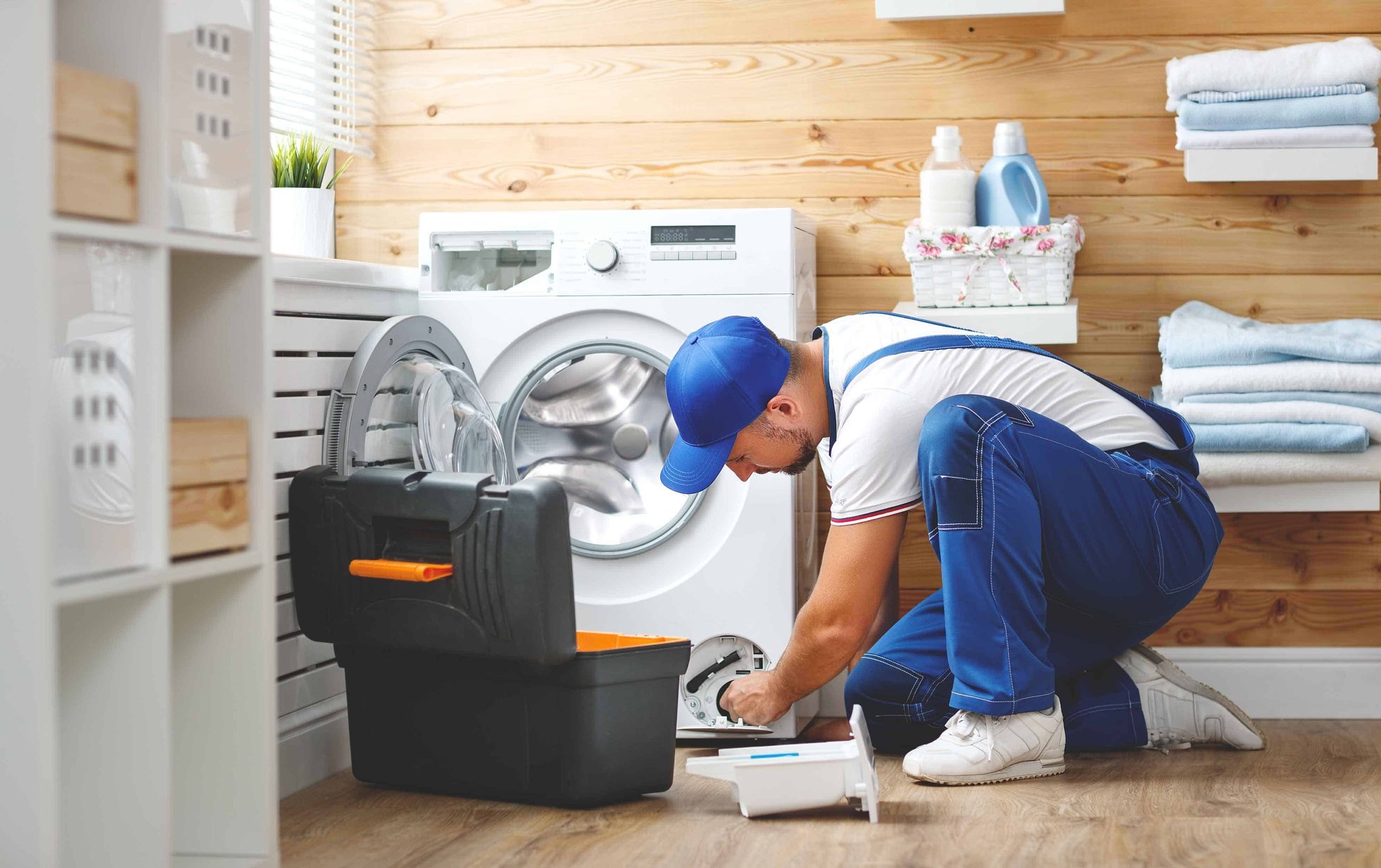
Step 2: Clean Drain Pump Filter (Front-Loading)
For front-loading washers:
- Locate filter:
- Usually at bottom front
- May be behind access panel
- Check owner’s manual
- Prepare for water:
- Place towels around area
- Have container ready
- Water will drain when removed
- Remove filter:
- Turn counterclockwise
- Remove carefully
- Water will drain out
- Clean thoroughly:
- Remove all debris
- Clean with water
- Check for damage
- Replace if needed
- Replace and test:
- Screw back in securely
- Test drain operation
- Check for leaks
Step 3: Check Drain Pump
Inspect pump for problems:
- Access pump:
- Usually at bottom of washer
- May require removing panels
- Check owner’s manual
- Inspect for blockages:
- Look for foreign objects
- Check for debris
- Remove any blockages
- Clean thoroughly
- Test pump:
- Check if pump runs
- Listen for operation
- Look for damage
- Test electrical connection
- Check impeller:
- Ensure it rotates freely
- Look for damage
- Test operation
- Replace if broken
Step 4: Check Door/Lid Switch
Test safety switch:
- For front-loading washers:
- Check if door closes properly
- Test door lock operation
- Look for error codes
- Ensure proper closure
- For top-loading washers:
- Check lid switch
- Test with multimeter if possible
- Ensure proper operation
- Check for damage
- Test operation:
- Close door/lid completely
- Start drain cycle
- See if it works
- Note any problems
Step 5: Check Home Drain System
Verify it’s not a home plumbing issue:
- Test other drains:
- Check if other drains work
- Look for backups
- Test sink and tub drains
- Note any problems
- Check main drain:
- Look for backups
- Check for odors
- Test drain flow
- May need plumber
- Isolate problem:
- If only washer affected, problem is washer
- If multiple drains affected, may be home plumbing
- Professional diagnosis needed
When to Call a Professional
While some drainage problems can be fixed with basic troubleshooting, many require professional expertise:
Call a Professional If:
- Drain pump failure - Requires professional diagnosis and replacement
- Electrical problems - Safety concerns with electrical work
- Persistent clogs - After trying all troubleshooting steps
- Home drain problems - May need plumber
- Complex diagnostics - When cause isn’t obvious
- Warranty concerns - When warranty is important
Why Professional Repair Matters
- Proper Diagnosis: Professionals identify exact problems
- Quality Parts: Use quality replacement parts
- Safe Repairs: Washers involve water and electricity
- Warranty: Professional repairs include warranties
- Prevention: Fixes underlying issues
Prevention Tips
Prevent drainage problems with proper maintenance:
Regular Maintenance
- Clean drain filter monthly - For front-loading washers
- Check drain hose quarterly - Look for kinks or damage
- Inspect pump area - Look for blockages
- Clean regularly - Remove lint and debris
- Check for foreign objects - Before each load
Proper Use
- Check pockets - Remove items before washing
- Don’t overload - Follow manufacturer guidelines
- Use proper detergent - Follow recommendations
- Clean lint filter - If your washer has one
- Maintain proper height - Ensure drain hose height is correct
Warning Signs
Watch for these warning signs:
- Slow drainage
- Water backing up
- Unusual sounds from pump
- Error codes related to drainage
- Water around washer
Address issues early to prevent more serious problems.
Cost Considerations
Understanding costs helps you decide:
Typical Repair Costs
- Drain hose replacement: $50-$150
- Drain pump replacement: $150-$300
- Filter cleaning: $0 (DIY) or $75-$125 (professional)
- Door/lid switch: $80-$150
- Home drain cleaning: $100-$300 (plumber)
DIY vs. Professional
You can do yourself:
- Cleaning drain hose
- Cleaning filter (front-loading)
- Checking for kinks
- Basic troubleshooting
Requires professional:
- Pump replacement
- Electrical problems
- Complex diagnostics
- Home drain issues
Conclusion
A washer that won’t drain is usually caused by clogged drain hoses, faulty drain pumps, or blocked filters. While many problems can be fixed by cleaning hoses and filters, pump failures and complex issues require professional diagnosis and repair.
Regular maintenance, especially cleaning filters and checking hoses, can prevent most drainage problems. However, if problems persist after basic troubleshooting, or if you notice pump failures, electrical problems, or home drain issues, contact a professional immediately.
For professional washing machine repair services in Toronto, Vaughan, Mississauga, and throughout the Greater Toronto Area, contact LEA Appliance Repair at 647-259-7180. Our experienced technicians provide expert washer repair for all major brands including Samsung, LG, Whirlpool, Maytag, GE, and many more.
We also provide repair services for dishwashers, dryers, refrigerators, ovens, stoves, and microwaves throughout Toronto and all GTA service areas.