
Introduction
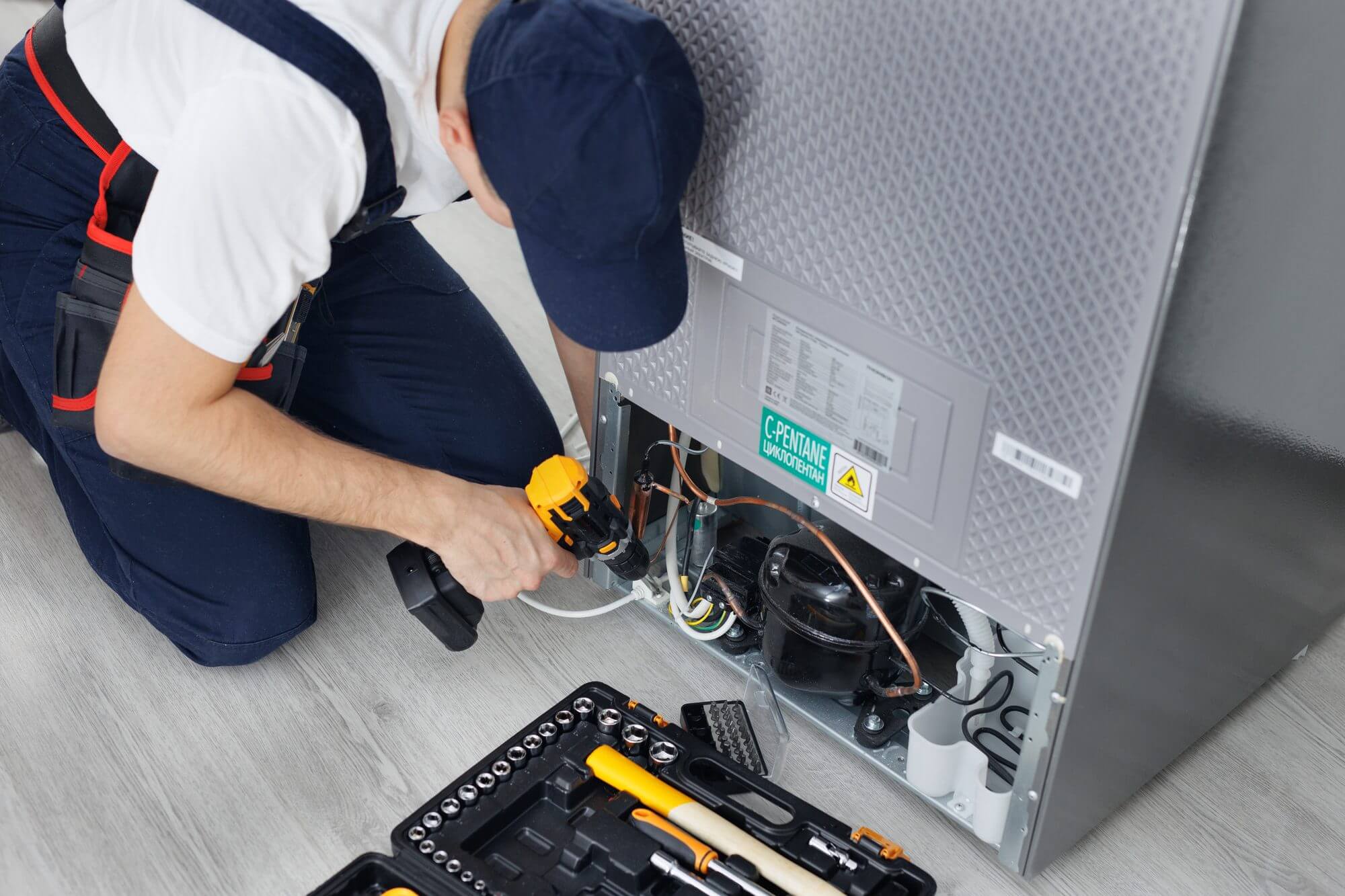
A refrigerator making loud, unusual noises can be alarming and may indicate serious problems. While some noise is normal during operation, loud humming, grinding, or banging sounds often signal that something is wrong and needs attention.
Understanding what different refrigerator noises mean helps you determine whether it’s a simple fix you can handle yourself or requires professional refrigerator repair services. This guide covers common noise problems, their causes, and solutions.
Normal vs. Abnormal Refrigerator Noises
Normal Sounds
- Low humming - Compressor and motor operation
- Gentle clicking - Defrost timer operation
- Soft whooshing - Fan operation
- Occasional gurgling - Refrigerant flow
- Ice maker sounds - Normal ice maker operation
Abnormal Sounds (Require Attention)
- Loud humming or buzzing - Compressor or motor problems
- Grinding or rumbling - Bearing or mechanical failures
- Banging or knocking - Loose parts or mechanical problems
- High-pitched squealing - Fan or motor bearing problems
- Excessive vibration - Installation or component issues
Common Causes of Loud Refrigerator Noises
1. Compressor Problems
The compressor is the heart of your refrigerator’s cooling system. When it malfunctions, it can produce loud humming, buzzing, or clicking sounds.
Why It Makes Noise:
- Normal wear over time
- Overheating from dirty coils
- Electrical problems
- Mechanical failure
- Age and degradation
Symptoms:
- Loud humming or buzzing
- Constant running
- Clicking sounds
- Overheating
- Temperature problems
Solution: Compressor problems require professional diagnosis and repair. Contact a refrigerator repair service if you suspect compressor issues.
2. Fan Motor Issues
Refrigerators have multiple fans that can cause noise when they malfunction.
Condenser Fan Motor:
- Located at back of refrigerator
- Cools the condenser coils
- Can produce rattling or grinding when damaged
Evaporator Fan Motor:
- Located inside freezer
- Circulates cold air
- Can create loud noises if malfunctioning or blades hitting something
Symptoms:
- Rattling or grinding sounds
- Loud whirring
- Intermittent operation
- Temperature problems
Solution:
- Check for obstructions
- Clean fan blades
- Test fan operation
- Replace if faulty
- Professional service recommended
3. Loose Drain Pan
A loose drain pan at the bottom of the refrigerator can cause rattling sounds.
Why It Happens:
- Not properly secured
- Movement over time
- Installation issues
- Physical damage
Symptoms:
- Rattling from bottom
- Intermittent noise
- Related to movement
- Easy to identify
Solution:
- Locate drain pan
- Secure back in place
- Check mounting
- Test operation
4. Defrost Timer and Heater Problems
Malfunctions in the defrost system can cause clicking or buzzing noises.
Why It Makes Noise:
- Timer mechanism problems
- Heater element issues
- Electrical problems
- Component failure
Symptoms:
- Clicking sounds
- Buzzing during defrost
- Intermittent operation
- Frost buildup problems
Solution: Defrost system problems require professional diagnosis and repair.
5. Evaporator Coil Frost Buildup
Excessive frost or ice buildup on evaporator coils forces the refrigerator to work harder and produce more noise.
Why It Happens:
- Defrost system not working
- Door seal problems
- Frequent door opening
- Humidity problems
Symptoms:
- Increased noise
- Compressor running constantly
- Temperature problems
- Visible frost buildup
Solution:
- Check defrost system
- Inspect door seals
- Remove frost buildup
- Professional service if persistent
6. Unlevel Installation
An unlevel refrigerator can cause excessive vibration and noise.
Why It Happens:
- Improper installation
- Floor not level
- Movement over time
- Leveling feet not adjusted
Symptoms:
- Excessive vibration
- Banging or knocking
- Noise during operation
- Refrigerator may move
Solution:
- Level the refrigerator
- Adjust leveling feet
- Use level tool
- Test operation
7. Dirty Condenser Coils
Dirty coils force the compressor to work harder, causing increased noise.
Why It Causes Noise:
- Compressor overworking
- Reduced efficiency
- Overheating
- Constant operation
Symptoms:
- Increased humming
- Compressor running constantly
- Higher energy consumption
- Temperature problems
Solution:
- Clean condenser coils
- Regular maintenance
- Improve efficiency
- Reduce noise
Step-by-Step Troubleshooting
Follow these steps to diagnose and fix noise problems:
Step 1: Identify Noise Location
Determine where noise is coming from:
- Bottom of refrigerator:
- Likely drain pan or compressor
- Check for loose parts
- Inspect bottom area
- Back of refrigerator:
- Condenser fan or compressor
- Check fan operation
- Inspect compressor area
- Inside refrigerator:
- Evaporator fan
- Check fan blades
- Look for obstructions
- Side or front:
- May be vibration
- Check installation
- Look for loose parts
Step 2: Check for Loose Parts
Secure any loose components:
- Drain pan:
- Locate at bottom
- Secure back in place
- Check mounting
- Test operation
- Shelves and drawers:
- Ensure properly seated
- Check for rattling
- Secure if loose
- Test operation
- Other components:
- Check for loose parts
- Secure as needed
- Test operation
Step 3: Clean Condenser Coils
Improve efficiency and reduce noise:
Unplug refrigerator for safety
Locate coils:
- Usually at back
- May be underneath
- Check owner’s manual
- Clean thoroughly:
- Use vacuum with brush
- Remove all dust and debris
- Clean gently
- Ensure proper ventilation
- Plug back in and test:
- Monitor noise level
- Check if reduced
- Allow time for operation
Step 4: Level the Refrigerator
Reduce vibration and noise:
- Check level:
- Use level tool on top
- Check front to back
- Check side to side
- Adjust leveling feet:
- Turn feet to adjust
- Level in all directions
- Ensure all feet touch floor
- Test operation:
- Monitor vibration
- Check noise level
- Adjust if needed
Step 5: Check Fan Operation
Inspect fans for problems:
- Evaporator fan (inside):
- Check for obstructions
- Look for ice buildup
- Test fan operation
- Clean if needed
- Condenser fan (back):
- Check for debris
- Test fan operation
- Look for damage
- Clean if needed
- Test operation:
- Monitor fan sounds
- Check for improvement
- Note any problems
Step 6: Remove Frost Buildup
Clear excessive frost:
- Unplug refrigerator:
- Safety first
- Allow defrosting
- Remove food
- Defrost manually:
- Allow to defrost
- Remove ice buildup
- Clean thoroughly
- Dry completely
- Check defrost system:
- May need professional service
- Check defrost timer
- Inspect heater
- Test operation
When to Call a Professional
While some noise problems can be fixed with basic troubleshooting, many require professional expertise:
Call a Professional If:
- Compressor problems - Major repair requiring professional service
- Fan motor failures - Component replacement needed
- Defrost system issues - Complex repair required
- Grinding or rumbling - Indicates serious mechanical problems
- Problems persist after troubleshooting - Professional diagnosis needed
- Electrical sounds - Safety concerns
- Unusual smells - May indicate overheating
Why Professional Repair Matters
- Proper Diagnosis: Professionals identify exact problems
- Quality Parts: Use quality replacement parts
- Safe Repairs: Refrigerators involve refrigerant and electricity
- Warranty: Professional repairs include warranties
- Prevention: Fixes underlying issues
Prevention Tips
Prevent noise problems with regular maintenance:
Regular Maintenance
- Clean condenser coils - Every 6 months
- Check door seals - Monthly
- Inspect fans - Quarterly
- Level refrigerator - As needed
- Professional inspection - Annually
Proper Use
- Don’t overload - Follow guidelines
- Close door properly - Ensure good seal
- Check temperature - Use thermometer
- Address issues early - Don’t ignore problems
Warning Signs
Watch for these warning signs:
- Noise getting louder over time
- New or unusual sounds
- Excessive vibration
- Temperature problems
- Increased energy consumption
Address issues early to prevent more serious problems.
Cost Considerations
Understanding costs helps you decide:
Typical Repair Costs
- Compressor replacement: $300-$600+
- Fan motor replacement: $150-$300
- Defrost system repair: $200-$400
- Coil cleaning: $0 (DIY) or $100-$150 (professional)
Repair vs. Replacement
Consider repair if:
- Refrigerator is less than 8 years old
- Repair cost is less than 50% of replacement
- It’s a high-quality model
- Issue is a single component
Consider replacement if:
- Refrigerator is 12+ years old
- Repair costs exceed 50% of replacement
- Multiple components failing
- You want better efficiency
Conclusion
Loud refrigerator noises can indicate various problems, from simple issues like loose parts to serious mechanical failures like compressor problems. While some problems like cleaning coils or securing loose parts can be fixed yourself, many issues require professional diagnosis and repair.
Regular maintenance, especially cleaning condenser coils and checking for loose parts, can prevent most noise problems. However, if unusual sounds persist after basic troubleshooting, or if you notice compressor problems, fan failures, or electrical issues, contact a professional immediately.
For professional refrigerator repair services in Toronto, Vaughan, Mississauga, and throughout the Greater Toronto Area, contact LEA Appliance Repair at 647-259-7180. Our experienced technicians provide expert refrigerator repair for all major brands including Samsung, LG, Whirlpool, GE, Frigidaire, and many more.
We also provide repair services for dishwashers, washing machines, dryers, ovens, stoves, and microwaves throughout Toronto and all GTA service areas.