
Introduction
A stinky dishwasher is unpleasant and can affect the smell of your dishes. Bad odors in your dishwasher are usually caused by food residue, mold growth, or bacteria buildup in hidden areas. The good news is that most odor problems can be eliminated with proper cleaning and maintenance.
Understanding why your dishwasher smells bad helps you determine the best cleaning approach and when you might need professional dishwasher repair services. This guide covers common causes, effective cleaning methods, and prevention tips.
Common Causes of Dishwasher Odors
1. Clogged Drain Filter (Most Common)
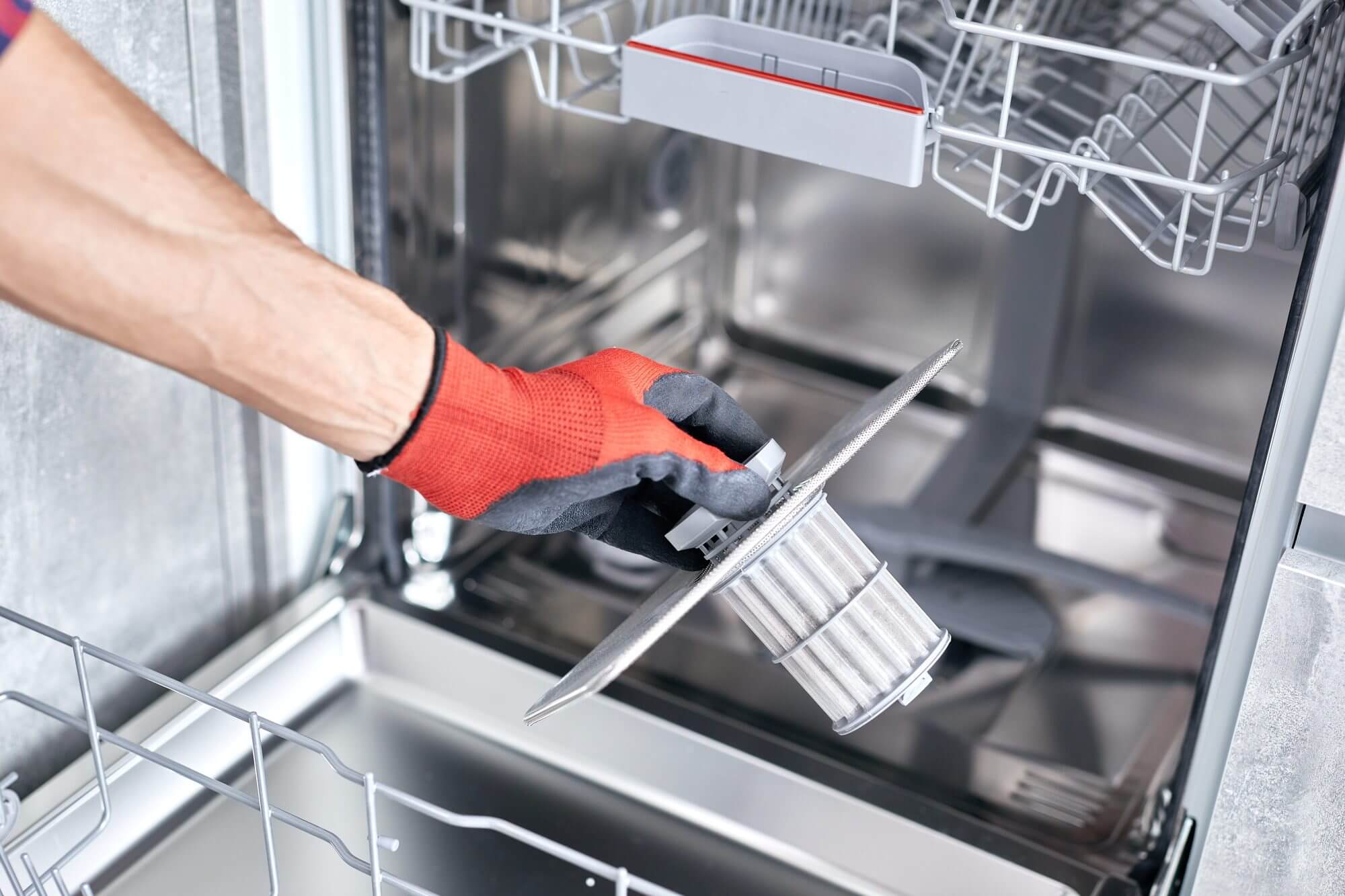
The drain filter traps food particles and can become a breeding ground for bacteria and mold if not cleaned regularly. This is the most frequent cause of dishwasher odors.
Why It Causes Odors:
- Food particles decompose
- Bacteria growth
- Mold and mildew formation
- Standing water
- Not cleaned regularly
Symptoms:
- Musty or foul odors
- Food particles on dishes
- Poor cleaning results
- Visible debris in filter
Solution:
- Clean filter weekly or as needed
- Remove all food particles
- Soak in hot, soapy water
- Scrub thoroughly with brush
- Replace if damaged
2. Food Residue on Interior Walls
Food splatters and residue on interior walls can decompose, causing unpleasant odors.
Why It Causes Odors:
- Food decomposing
- Bacteria growth
- Not cleaned regularly
- Hard-to-reach areas
Symptoms:
- Odors when opening door
- Visible food residue
- Stains on interior
- Poor cleaning results
Solution:
- Clean interior walls regularly
- Remove food splatters immediately
- Use cleaning cycles
- Scrub stubborn residue
3. Mold and Mildew on Gasket Seals
The rubber door gasket can develop mold and mildew, especially in the folds and crevices.
Why It Happens:
- Moisture retention
- Food particles trapped
- Poor ventilation
- Not cleaned regularly
Symptoms:
- Musty smell
- Visible mold on gasket
- Black or green spots
- Odors when opening door
Solution:
- Clean gasket thoroughly
- Remove mold and mildew
- Use cleaning solution
- Dry completely
- Replace if damaged
4. Clogged Drains
Clogged drains can cause standing water and bacterial growth, leading to odors.
Why It Causes Odors:
- Standing water
- Food particles decomposing
- Bacteria growth
- Poor drainage
Symptoms:
- Water pooling at bottom
- Foul odors
- Slow drainage
- Related to drain problems
Solution:
- Clean drain area
- Remove blockages
- Clear drain holes
- Ensure proper drainage
5. Standing Water
Standing water in the dishwasher can cause bacterial growth and odors.
Why It Happens:
- Clogged drains
- Drain problems
- Not draining properly
- Water not emptying
Symptoms:
- Water at bottom after cycle
- Musty odors
- Related to drainage
- May have other problems
Solution:
- Check drain system
- Clear blockages
- Ensure proper drainage
- Fix drain problems
Step-by-Step Deep Cleaning Process
Follow these steps to thoroughly clean your dishwasher and eliminate odors:
Step 1: Remove and Clean the Filter
This is the most important step:
- Locate the filter:
- Usually at bottom of dishwasher
- May twist or pull out
- Check owner’s manual
- Remove the filter:
- Turn counterclockwise or pull out
- Remove carefully
- May have multiple parts
- Clean thoroughly:
- Remove all food particles
- Soak in hot, soapy water
- Scrub with brush
- Clean all crevices
- Rinse completely
- Clean the sump:
- Clean area where filter sits
- Remove all debris
- Scrub thoroughly
- Rinse completely
- Replace filter:
- Ensure properly seated
- Check installation
- Test operation
Step 2: Clean Interior Surfaces
Thoroughly clean all interior surfaces:
- Remove racks:
- Take out all racks
- Wash separately
- Clean thoroughly
- Clean walls and ceiling:
- Use warm, soapy water
- Scrub all surfaces
- Pay attention to corners
- Remove all residue
- Clean door interior:
- Clean door surfaces
- Remove food splatters
- Clean thoroughly
- Dry completely
- Clean spray arms:
- Remove spray arms
- Clean all jet holes
- Remove blockages
- Clean thoroughly
Step 3: Clean Door Gasket
Remove mold and mildew:
- Inspect gasket:
- Look for mold or mildew
- Check all folds and crevices
- Note problem areas
- Clean thoroughly:
- Use warm, soapy water
- Scrub with brush
- Pay attention to folds
- Remove all mold
- Use cleaning solution:
- Vinegar and water mixture
- Baking soda paste
- Commercial cleaner
- Scrub thoroughly
- Dry completely:
- Wipe dry with cloth
- Ensure no moisture
- Allow to air dry
- Check for remaining mold
Step 4: Clean Drains and Drain Area
Ensure proper drainage:
- Clean drain area:
- Remove all debris
- Clean drain holes
- Remove blockages
- Scrub thoroughly
- Check drain system:
- Ensure proper drainage
- Clear any blockages
- Test drain operation
- Fix drain problems if needed
- Remove standing water:
- Empty any standing water
- Clean area thoroughly
- Ensure proper drainage
Step 5: Run Cleaning Cycles
Use natural cleaning methods:
- Vinegar cycle:
- Place bowl of white vinegar on top rack
- Run empty cycle on hot
- Vinegar helps remove odors and buildup
- Natural deodorizer
- Baking soda cycle:
- Sprinkle baking soda on bottom
- Run short cycle
- Baking soda neutralizes odors
- Helps remove residue
- Lemon cycle:
- Place lemon slices in dishwasher
- Run cycle
- Fresh scent
- Natural cleaning
Natural Deodorizing Methods
Vinegar Method
Highly effective for odors:
- Place bowl of white vinegar on top rack
- Run empty cycle on hottest setting
- Vinegar cuts through odors and removes buildup
- Natural and safe - No harsh chemicals
Baking Soda Method
Neutralizes odors:
- Sprinkle baking soda on bottom of dishwasher
- Run short cycle or let sit overnight
- Baking soda absorbs odors effectively
- Safe and natural cleaning agent
Lemon Method
Fresh, pleasant scent:
- Place lemon slices in dishwasher
- Run cycle for fresh scent
- Natural deodorizer with pleasant aroma
- Helps remove odors while leaving fresh smell
Combination Method
Most effective approach:
- Vinegar cycle first - Removes buildup and odors
- Baking soda second - Neutralizes remaining odors
- Lemon for freshness - Leaves pleasant scent
- Regular maintenance - Prevents odors from returning
Prevention Tips
Prevent odors from returning with regular maintenance:
Regular Cleaning Schedule
- Clean filter weekly - Most important maintenance task
- Wipe interior monthly - Remove food splatters
- Clean gasket monthly - Prevent mold growth
- Run cleaning cycles - Every 2-4 weeks
- Deep clean quarterly - Thorough cleaning
Proper Use
- Scrape dishes - Remove large food particles
- Don’t overload - Allow proper water circulation
- Use proper detergent - Follow recommendations
- Run hot water first - Ensure hot water for cleaning
- Leave door slightly open - Allow air circulation when not in use
Maintenance Best Practices
- Clean spills immediately - Don’t let food sit
- Check filter regularly - Clean as needed
- Inspect gasket - Look for mold early
- Ensure proper drainage - Fix drain problems promptly
- Professional inspection - Annual checkups
When to Call a Professional
While most odors can be eliminated with cleaning, some situations require professional attention:
Call a Professional If:
- Persistent odors after cleaning - May indicate deeper problems
- Drain problems - Professional drain cleaning needed
- Mold problems - Extensive mold may need professional treatment
- Component failures - May need part replacement
- Water not draining - Drain system problems
Why Professional Service Matters
- Thorough cleaning - Reaches areas you can’t
- Component inspection - Identifies other problems
- Proper tools - Specialized cleaning equipment
- Prevention - Addresses root causes
- Warranty - Service guarantee
Cost Considerations
Understanding costs helps you decide:
DIY Cleaning Costs
- Vinegar: $2-$3 per bottle
- Baking soda: $1-$2 per box
- Cleaning supplies: $5-$10
- Time investment: 1-2 hours for deep clean
Professional Cleaning
- Professional service: $100-$200
- Includes: Deep cleaning, component inspection, maintenance
- Benefits: Thorough, time-saving, identifies problems
When to Consider Professional Service
- Persistent odors after DIY cleaning
- Time constraints - Don’t have time for deep cleaning
- Complex problems - Beyond basic cleaning
- Annual maintenance - Preventive care
Conclusion
A stinky dishwasher is usually caused by clogged filters, food residue, or mold growth. Most odors can be eliminated with thorough cleaning, especially cleaning the filter regularly and running vinegar and baking soda cycles.
Regular maintenance, especially cleaning the filter weekly and the gasket monthly, can prevent most odors. However, if odors persist after deep cleaning, or if you notice drain problems, extensive mold, or component failures, contact a professional for diagnosis and repair.
For professional dishwasher repair and maintenance services in Toronto, Vaughan, Mississauga, and throughout the Greater Toronto Area, contact LEA Appliance Repair at 647-259-7180. Our experienced technicians provide expert dishwasher repair for all major brands including Samsung, LG, Whirlpool, Bosch, KitchenAid, and many more.
We also provide repair services for refrigerators, washing machines, dryers, ovens, stoves, and microwaves throughout Toronto and all GTA service areas.