
Introduction
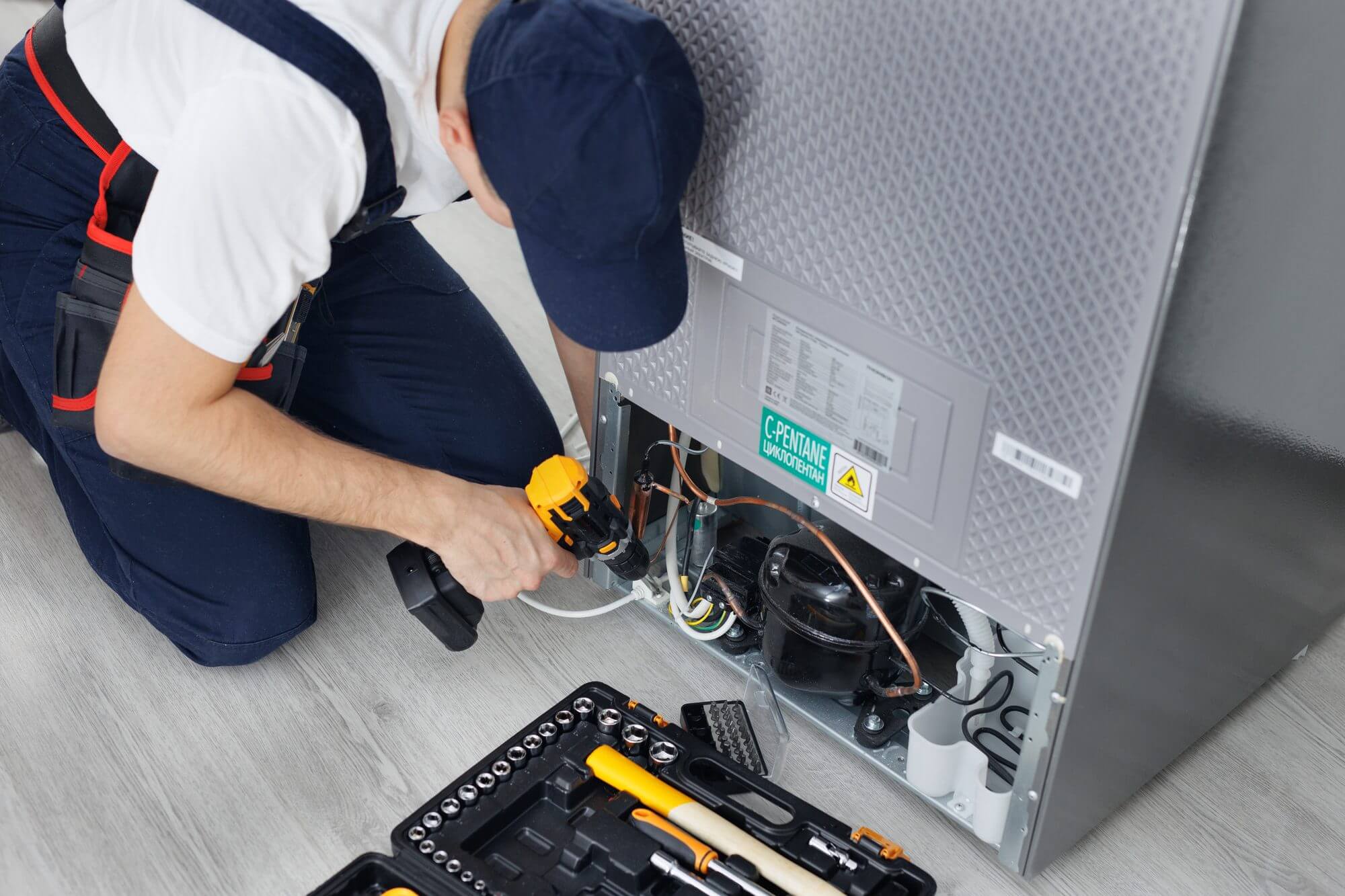
Cleaning your refrigerator’s condenser coils is one of the most important maintenance tasks you can perform. Dirty coils force your refrigerator to work harder, increasing energy consumption and potentially causing component failure. Regular coil cleaning can reduce energy costs by up to 15% and extend your refrigerator’s lifespan.
This guide provides step-by-step instructions for cleaning condenser coils safely and effectively. Whether you have a standard refrigerator, a built-in model, or a side-by-side unit, these instructions apply to all types.
Why Clean Condenser Coils?
Benefits of Clean Coils
- Energy Efficiency: Reduces energy consumption by up to 15%
- Lower Bills: Saves money on electricity
- Prevents Overheating: Allows proper heat release
- Extends Lifespan: Reduces strain on compressor
- Better Performance: Maintains proper temperature
- Prevents Repairs: Avoids costly component failures
What Happens When Coils Are Dirty
- Reduced Efficiency: Refrigerator works harder
- Higher Energy Costs: Increased electricity consumption
- Overheating: Compressor runs constantly
- Component Failure: Can lead to compressor failure
- Temperature Problems: May not maintain proper temperature
Where Are Condenser Coils Located?
Common Locations
Condenser coils can be located in different places depending on your refrigerator model:
- Back of Refrigerator (Most Common)
- Visible on the back panel
- Easy to access
- Most standard models
- Bottom of Refrigerator
- Behind front grille or kick plate
- May require removal of panel
- Some newer models
- Behind Refrigerator
- Integrated into back panel
- May need to move refrigerator
- Various models
How to Find Your Coils
- Check owner’s manual - Specific location for your model
- Look at back - Most common location
- Check bottom - Behind front panel
- Visual inspection - Look for coil-like structures
Step-by-Step Cleaning Instructions
Step 1: Safety First
Before you begin:
- Unplug the refrigerator:
- Disconnect from power
- Safety is paramount
- Prevents electrical shock
- Move refrigerator:
- Pull away from wall
- Ensure adequate space
- Be careful not to damage flooring
- Gather supplies:
- Vacuum with brush attachment
- Soft-bristled brush
- Coil cleaning brush (optional)
- Cleaning cloth
Step 2: Locate the Coils
Find the condenser coils:
- Check the back:
- Look for coil-like structures
- Usually metal fins
- May be covered with dust
- Check the bottom:
- Remove front grille if needed
- Look behind kick plate
- May require panel removal
- Refer to manual:
- Check owner’s manual
- Specific instructions for your model
- Location may vary
Step 3: Remove Loose Debris
Start with vacuum:
- Use vacuum with brush attachment:
- Attach brush to vacuum
- Gently vacuum coils
- Remove loose dust and debris
- Work carefully:
- Don’t damage coils
- Be gentle with fins
- Remove all visible debris
- Vacuum thoroughly:
- Cover all areas
- Don’t miss sections
- Check for hidden debris
Step 4: Brush Away Stubborn Debris
For stuck-on debris:
- Use soft-bristled brush:
- Gently brush coils
- Remove stubborn dust
- Work in direction of fins
- Be careful:
- Don’t bend fins
- Work gently
- Avoid damage
- Use coil cleaning brush:
- Specialized tool for coils
- Designed for this purpose
- More effective for stubborn debris
Step 5: Clean Hard-to-Reach Areas
Get into tight spaces:
- Use brush in crevices:
- Clean between fins
- Remove all debris
- Check corners
- Vacuum again:
- Remove loosened debris
- Final cleanup
- Ensure thorough cleaning
- Inspect for completeness:
- Check all areas
- Look for missed spots
- Clean thoroughly
Step 6: Clean the Area
Clean around coils:
- Vacuum floor:
- Remove fallen debris
- Clean area
- Prevent recontamination
- Clean refrigerator back:
- Wipe down back panel
- Remove dust
- Clean area
- Check for obstructions:
- Ensure proper ventilation
- Remove any blockages
- Allow air circulation
Step 7: Replace and Test
Finish the job:
- Replace any panels:
- Put back grilles or panels
- Ensure proper installation
- Check fit
- Move refrigerator back:
- Position properly
- Ensure adequate clearance
- Check level
- Plug in and test:
- Reconnect power
- Monitor operation
- Check temperature
- Listen for unusual sounds
How Often to Clean Coils
Recommended Frequency
- Every 6 months - Standard recommendation
- Every 3 months - If you have pets
- Monthly - In dusty environments
- As needed - If you notice problems
Signs Coils Need Cleaning
- Higher energy bills - Increased consumption
- Compressor running constantly - Overworking
- Temperature problems - Not cooling properly
- Visible dust buildup - Obvious debris
- Overheating - Refrigerator feels hot
Safety Tips
Important Safety Considerations
- Always unplug - Before any work
- Be gentle - Don’t damage coils
- Use proper tools - Right equipment for job
- Check for damage - Inspect coils after cleaning
- Professional help - If unsure, call professional
What to Avoid
- Harsh chemicals - Can damage coils
- High-pressure water - Can damage components
- Bending fins - Can reduce efficiency
- Electrical work - Leave to professionals
- Forcing panels - Can cause damage
Professional Cleaning
When to Call a Professional
- Uncertain about location - Can’t find coils
- Difficult access - Hard to reach
- Built-in models - Complex installation
- Prefer professional service - Peace of mind
- Annual maintenance - Part of service plan
Benefits of Professional Service
- Thorough cleaning - Complete service
- Inspection - Identifies other problems
- Proper tools - Right equipment
- Experience - Knows what to look for
- Warranty - Service guarantee
Maintenance Tips
Prevent Coil Problems
- Regular cleaning - Follow schedule
- Proper ventilation - Ensure air circulation
- Clean environment - Reduce dust
- Pet hair management - Regular vacuuming
- Professional inspection - Annual checkups
Additional Maintenance
- Clean interior - Regular cleaning
- Check door seals - Ensure proper seal
- Monitor temperature - Use thermometer
- Inspect components - Look for problems
- Address issues early - Prevent major repairs
Conclusion
Cleaning condenser coils is essential maintenance that improves efficiency, reduces energy costs, and extends your refrigerator’s lifespan. While it’s a task you can do yourself, it requires care and the right tools.
Regular coil cleaning every 6 months (or more often if you have pets or dusty environments) can prevent most efficiency and temperature problems. However, if you’re uncomfortable doing it yourself, or if you have a built-in model with difficult access, professional cleaning is a good option.
For professional refrigerator maintenance and repair services in Toronto, Vaughan, Mississauga, and throughout the Greater Toronto Area, contact LEA Appliance Repair at 647-259-7180. Our experienced technicians provide expert refrigerator repair and maintenance for all major brands including Samsung, LG, Whirlpool, GE, Frigidaire, and many more.
We also provide repair services for dishwashers, washing machines, dryers, ovens, stoves, and microwaves throughout Toronto and all GTA service areas.