
Introduction
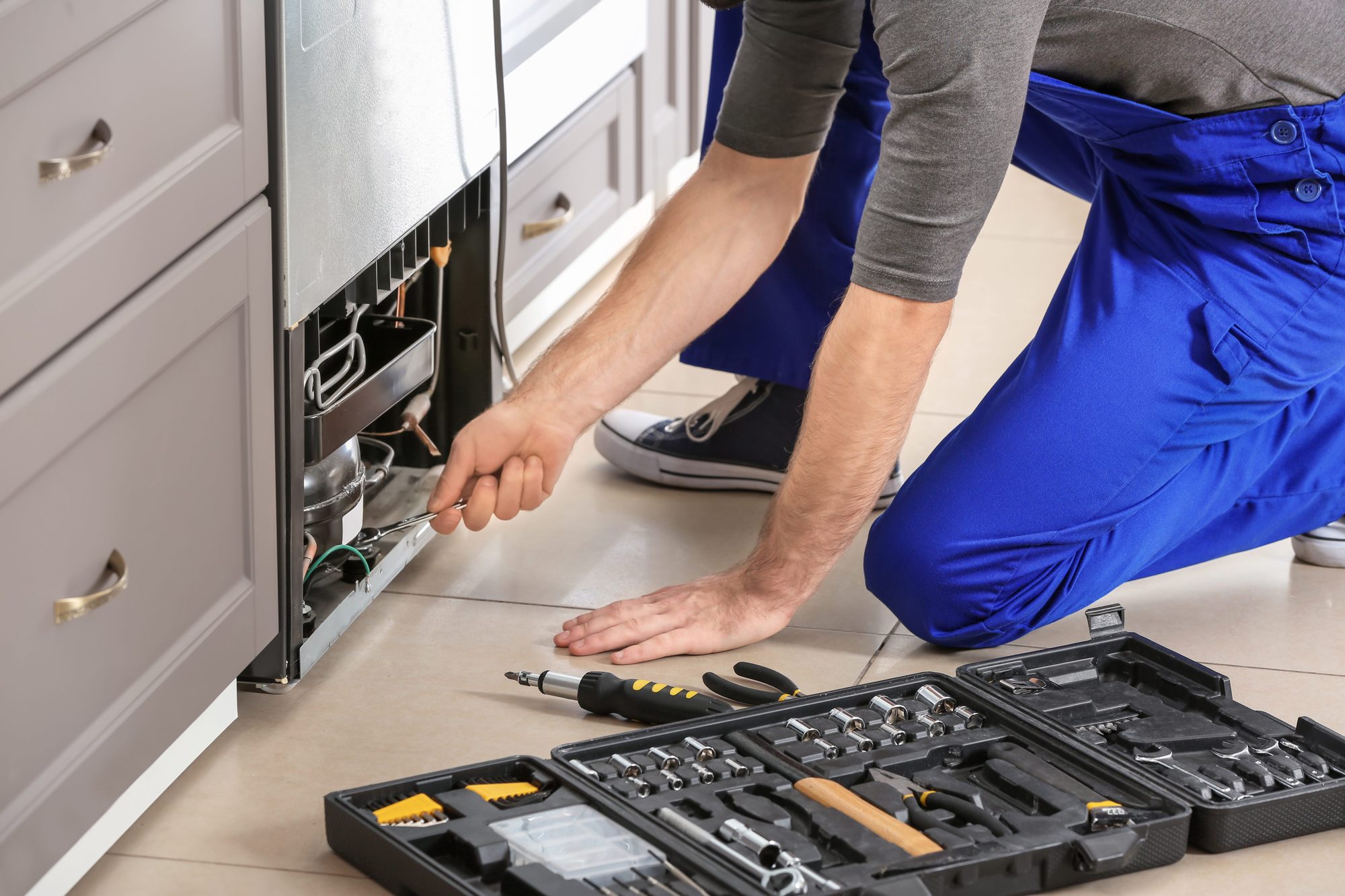
Your refrigerator is one of the most important appliances in your home, working 24/7 to keep your food fresh and safe. Regular refrigerator maintenance is essential to ensure it operates efficiently, prevents costly repairs, and extends its lifespan. By following these 7 general tips for refrigerator maintenance, you can keep your fridge running smoothly and avoid unexpected breakdowns.
Whether you own a standard refrigerator, a French door model, or a side-by-side unit, these maintenance practices apply to all types. Proper care not only saves you money on energy bills but also prevents food spoilage and the need for professional refrigerator repair services.
1. Clean the Condenser Coils Regularly
The condenser coils are responsible for releasing heat from your refrigerator. When these coils become dirty or clogged with dust, pet hair, and debris, your refrigerator has to work harder to maintain the proper temperature, leading to increased energy consumption and potential compressor failure.
How to Clean Condenser Coils
- Frequency: Clean condenser coils every 6 months, or more often if you have pets
- Location: Coils are typically located on the back of the refrigerator or underneath the unit
- Method:
- Unplug your refrigerator for safety
- Use a vacuum cleaner with a brush attachment to remove dust and debris
- For stubborn buildup, use a soft-bristled brush
- Be gentle to avoid damaging the coils
Benefits
Cleaning your condenser coils can reduce energy consumption by up to 15% and prevent overheating that could lead to compressor failure, one of the most expensive refrigerator repairs.
2. Maintain Proper Temperature Settings
Keeping your refrigerator and freezer at the correct temperatures is crucial for food safety and energy efficiency. The ideal temperature for your refrigerator compartment is between 35°F and 38°F (1.7°C to 3.3°C), while your freezer should be set at 0°F (-17.8°C).
Temperature Monitoring Tips
- Check weekly: Use a refrigerator thermometer to verify temperatures
- Adjust seasonally: You may need to adjust settings during hot summer months
- Avoid overfilling: A refrigerator that’s too full restricts airflow and makes it harder to maintain temperature
- Keep it three-quarters full: This optimal load helps maintain temperature stability
Warning Signs
If your refrigerator struggles to maintain proper temperatures despite correct settings, it may indicate a problem with the thermostat, compressor, or cooling system. In such cases, contact a professional refrigerator repair technician for diagnosis.
3. Clean the Interior Regularly
Regular interior cleaning prevents odors, bacteria growth, and food contamination. A clean refrigerator also operates more efficiently and helps you identify potential problems early.
Deep Cleaning Schedule
- Weekly: Wipe up spills immediately to prevent stains and odors
- Monthly: Remove expired food and check for spoiled items
- Every 2-3 months: Deep clean by removing all food, shelves, and drawers
Deep Cleaning Steps
- Remove all food and store in a cooler
- Take out shelves and drawers
- Wash removable parts with warm, soapy water
- Clean interior surfaces with a solution of baking soda and water
- Dry all surfaces thoroughly before replacing food
- Check door gaskets for food residue and clean if needed
Odor Prevention
To eliminate odors, place an open box of baking soda in your refrigerator and replace it every 3 months. You can also use activated charcoal or coffee grounds as natural deodorizers.
4. Inspect and Clean Door Gaskets
The door gaskets (seals) are critical for maintaining proper temperature and energy efficiency. Damaged or dirty gaskets allow cold air to escape, forcing your refrigerator to work harder.
Inspection and Cleaning
- Frequency: Check monthly, clean every 3 months
- Visual inspection: Look for cracks, tears, or gaps in the seal
- Cleaning method:
- Wipe gaskets with warm, soapy water
- Dry thoroughly with a clean cloth
- Apply a small amount of petroleum jelly to keep seals pliable (if recommended by manufacturer)
Seal Test
Test your door seal by closing the door on a dollar bill. If you can easily pull it out, the seal may need replacement. A properly functioning seal should hold the bill firmly in place.
When to Replace
If gaskets are cracked, torn, or no longer create a tight seal, they should be replaced. This is a relatively simple repair that can significantly improve your refrigerator’s efficiency. Contact a refrigerator repair service for professional gasket replacement.
5. Change Water Filters Regularly
If your refrigerator has a water dispenser or ice maker, it likely has a water filter that needs regular replacement. A clogged or expired filter can affect water quality, reduce ice production, and potentially damage your refrigerator’s water system.
Replacement Schedule
- Standard filters: Replace every 6 months
- Heavy usage: Replace every 3-4 months if you use water and ice frequently
- Check manufacturer recommendations: Some filters have specific replacement intervals
Benefits of Regular Filter Changes
- Improved water taste and quality
- Better ice production
- Prevention of mineral buildup in the water system
- Protection of refrigerator components from damage
Signs Your Filter Needs Replacement
- Water tastes or smells unusual
- Ice production has slowed significantly
- Water flow from dispenser is reduced
- Filter indicator light is on (if your model has one)
6. Level Your Refrigerator
An unlevel refrigerator can cause several problems, including improper door sealing, excessive noise, and premature wear on components. Ensuring your refrigerator is level is a simple but important maintenance task.
How to Level Your Refrigerator
- Check current level: Use a level tool on top of the refrigerator
- Adjust front feet: Most refrigerators have adjustable front feet or leveling legs
- Tilt slightly backward: The refrigerator should tilt slightly backward (about 1/4 inch) so the door closes properly
- Test door closure: Ensure doors close and seal properly
Why It Matters
- Door alignment: Proper leveling ensures doors close and seal correctly
- Component wear: An unlevel refrigerator can cause excessive vibration and wear
- Noise reduction: Leveling reduces rattling and noise from internal components
- Energy efficiency: Proper door sealing prevents cold air loss
7. Check and Clean the Drain Pan
The drain pan collects water from the defrost cycle. If it becomes full or dirty, it can cause odors, water leakage, and potential damage to your flooring.
Maintenance Steps
- Location: The drain pan is typically located at the bottom of the refrigerator, behind the front grille
- Frequency: Check and clean every 3-6 months
- Cleaning:
- Remove the pan carefully
- Empty any standing water
- Wash with warm, soapy water
- Dry thoroughly before replacing
Drain Tube Maintenance
The drain tube that leads to the pan can also become clogged. If you notice water pooling in your refrigerator, the drain tube may need cleaning. This is a task best handled by a professional appliance repair technician to avoid damage.
Additional Maintenance Tips
Beyond these 7 essential tips, here are additional practices to keep your refrigerator in top condition:
Food Storage Best Practices
- Don’t overload: Overfilling restricts airflow and makes temperature maintenance difficult
- Cover food: Prevent spills and odors by covering food properly
- Check expiration dates: Regularly remove expired items to prevent spoilage and odors
- Allow hot food to cool: Don’t place hot food directly in the refrigerator
Energy Efficiency Tips
- Keep door closed: Minimize the time doors are open
- Check door seals: Ensure doors close completely
- Maintain proper temperature: Don’t set temperatures colder than necessary
- Clean coils: As mentioned in tip #1, clean coils improve efficiency
When to Call a Professional
While regular maintenance can prevent many problems, some issues require professional attention:
- Refrigerator not cooling properly
- Excessive frost buildup in freezer
- Unusual noises (grinding, clicking, or loud humming)
- Water leaks
- Ice maker not working
- Compressor problems
- Electrical issues
If you experience any of these problems, contact LEA Appliance Repair for professional refrigerator repair services in Toronto and the GTA.
Conclusion
Regular refrigerator maintenance is essential for keeping your appliance running efficiently and preventing costly repairs. By following these 7 general tips for refrigerator maintenance, including cleaning condenser coils, maintaining proper temperatures, regular interior cleaning, inspecting door gaskets, changing water filters, leveling your refrigerator, and checking the drain pan, you can extend your refrigerator’s lifespan and save money on energy bills.
Remember, while many maintenance tasks can be performed yourself, some repairs require professional expertise. If you notice persistent problems or need assistance with maintenance, don’t hesitate to contact a qualified appliance repair service.
For professional refrigerator repair services in Toronto, Vaughan, Mississauga, and throughout the Greater Toronto Area, contact LEA Appliance Repair at 647-259-7180. Our experienced technicians provide expert refrigerator repair for all major brands including Samsung, LG, Whirlpool, GE, and many more.
We also provide repair services for dishwashers, washing machines, dryers, ovens, stoves, and microwaves throughout Toronto and all GTA service areas.